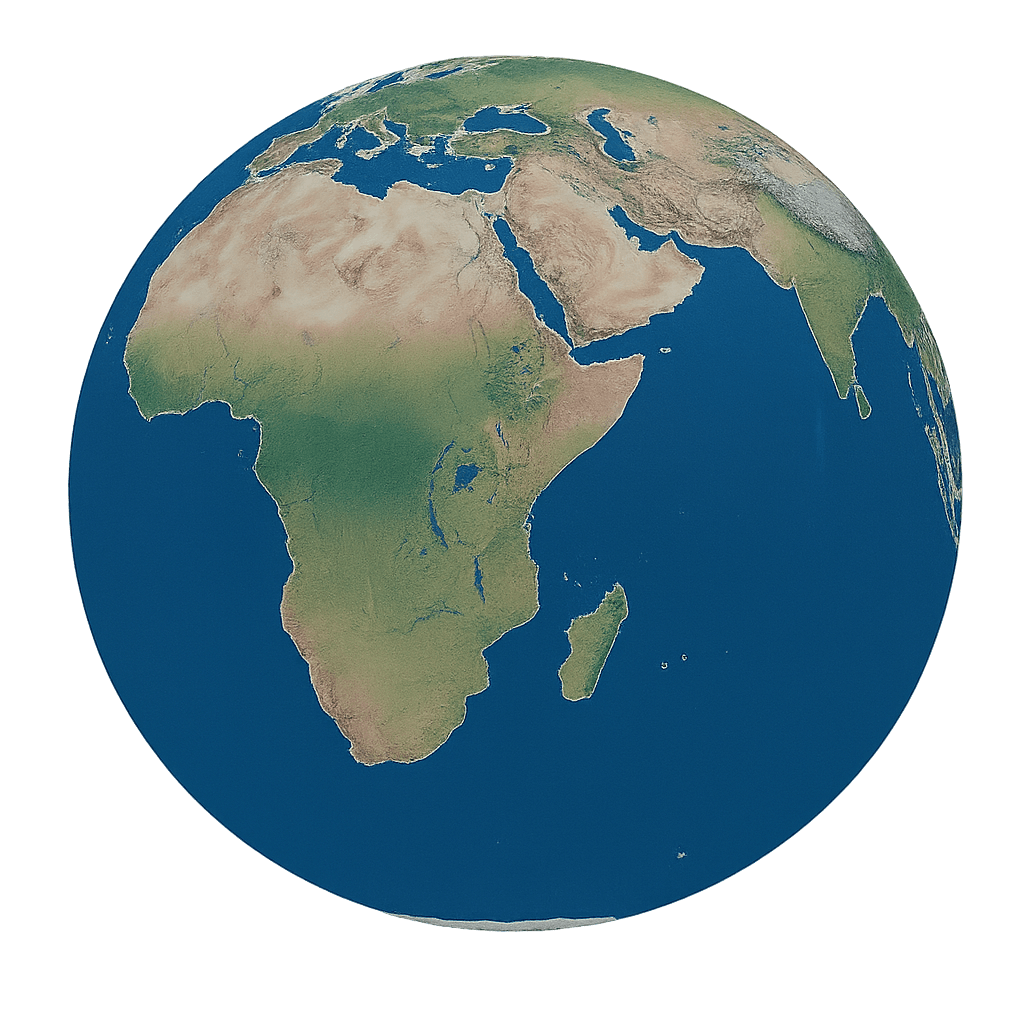

Tsunan Sake Brewery & Bell Living Lab: A New Frontier in Fermentation for Sustainable Materials
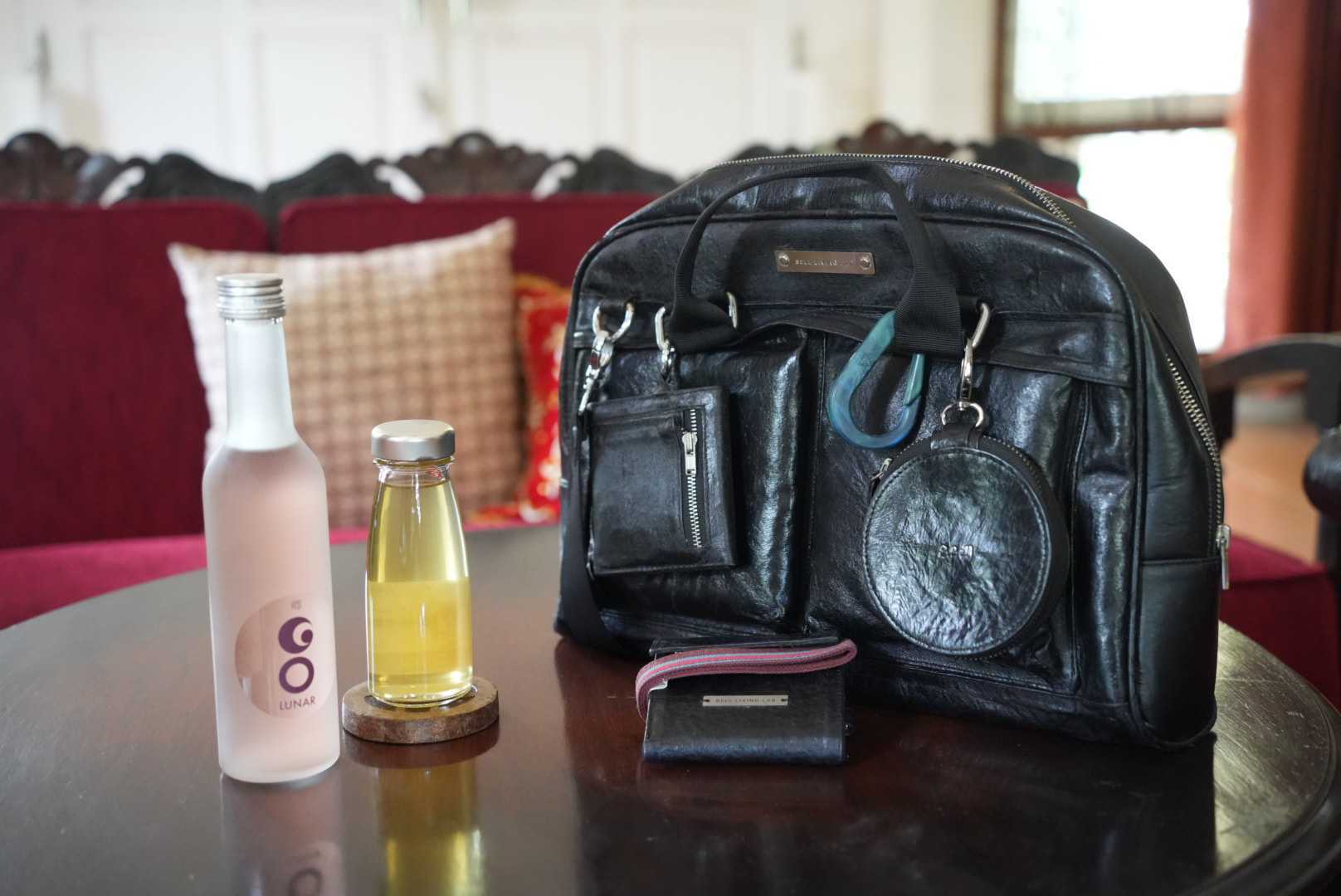
A symbol of collaboration: Tsunan Sake Brewery’s "GO" series displayed alongside Bell Living Lab’s coffee leather products. Two distinct cultures united by the power of fermentation technology and a shared vision for a sustainable future.
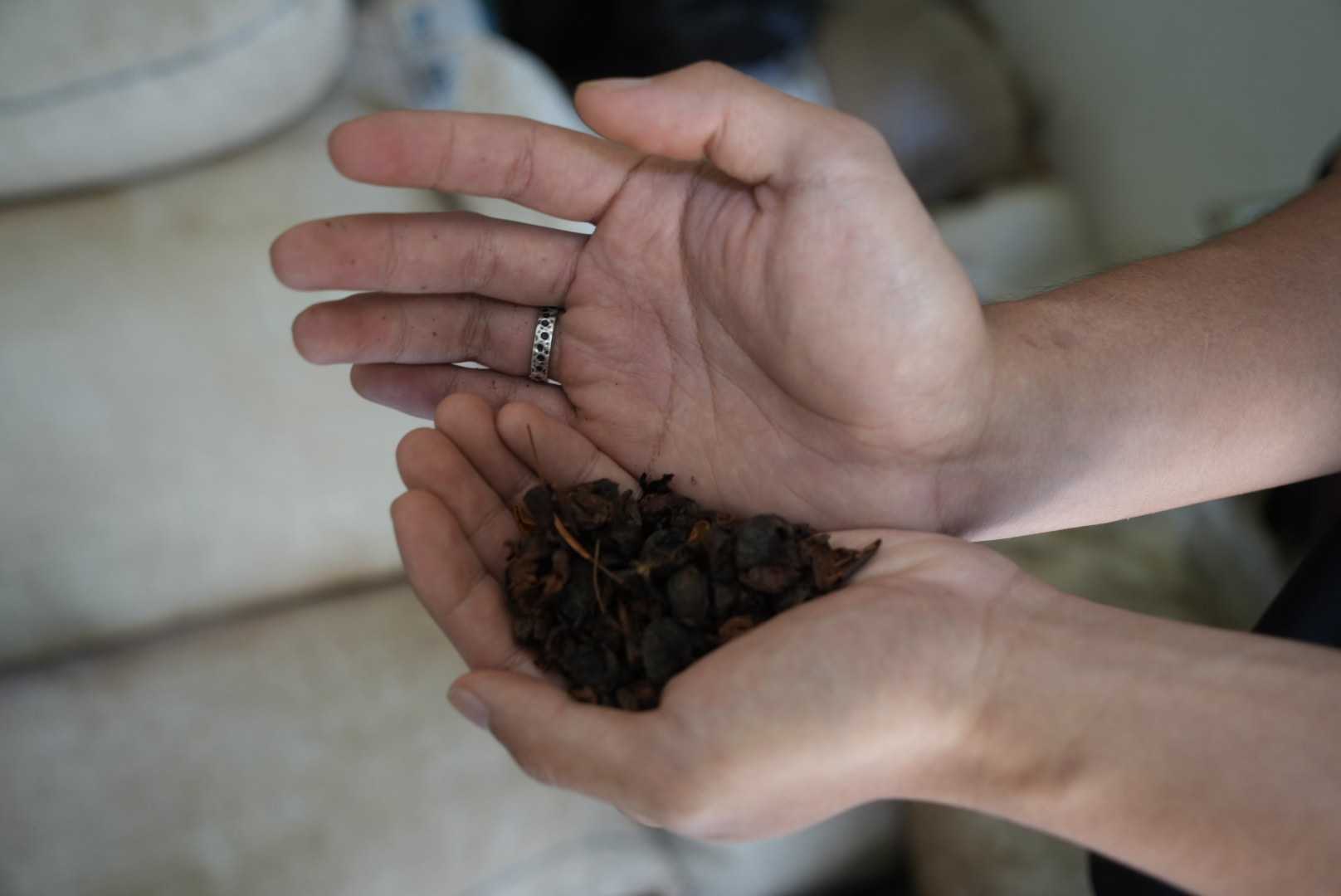
Discarded coffee cherry pulp, typically treated as agricultural waste in Indonesia, serves as the nutrient-rich feedstock for Bell Living Lab’s microbial fermentation process, turning a potential pollutant into a valuable resource.

Rows of trays where Acetobacter bacteria quietly work to synthesize cellulose sheets. Dr. Kengo Suzuki noted the striking similarity between this controlled biological process and the fermentation rooms (Koji-muro) used in Japanese sake brewing.
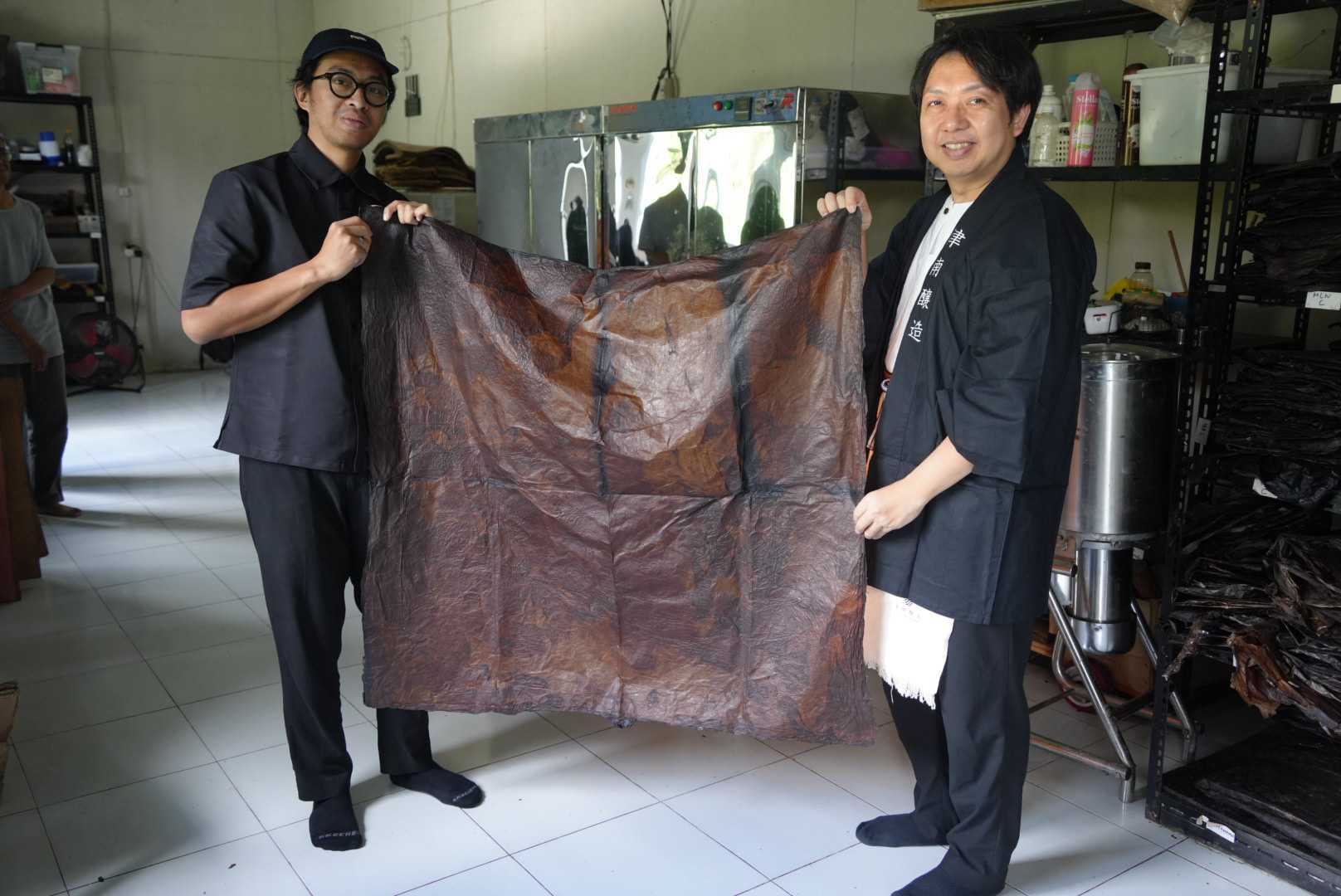
The finished "M-Tex" sheet. Derived entirely from microbial cellulose, this bio-material offers the durability and texture of animal leather without the heavy environmental footprint or use of toxic tanning chemicals.
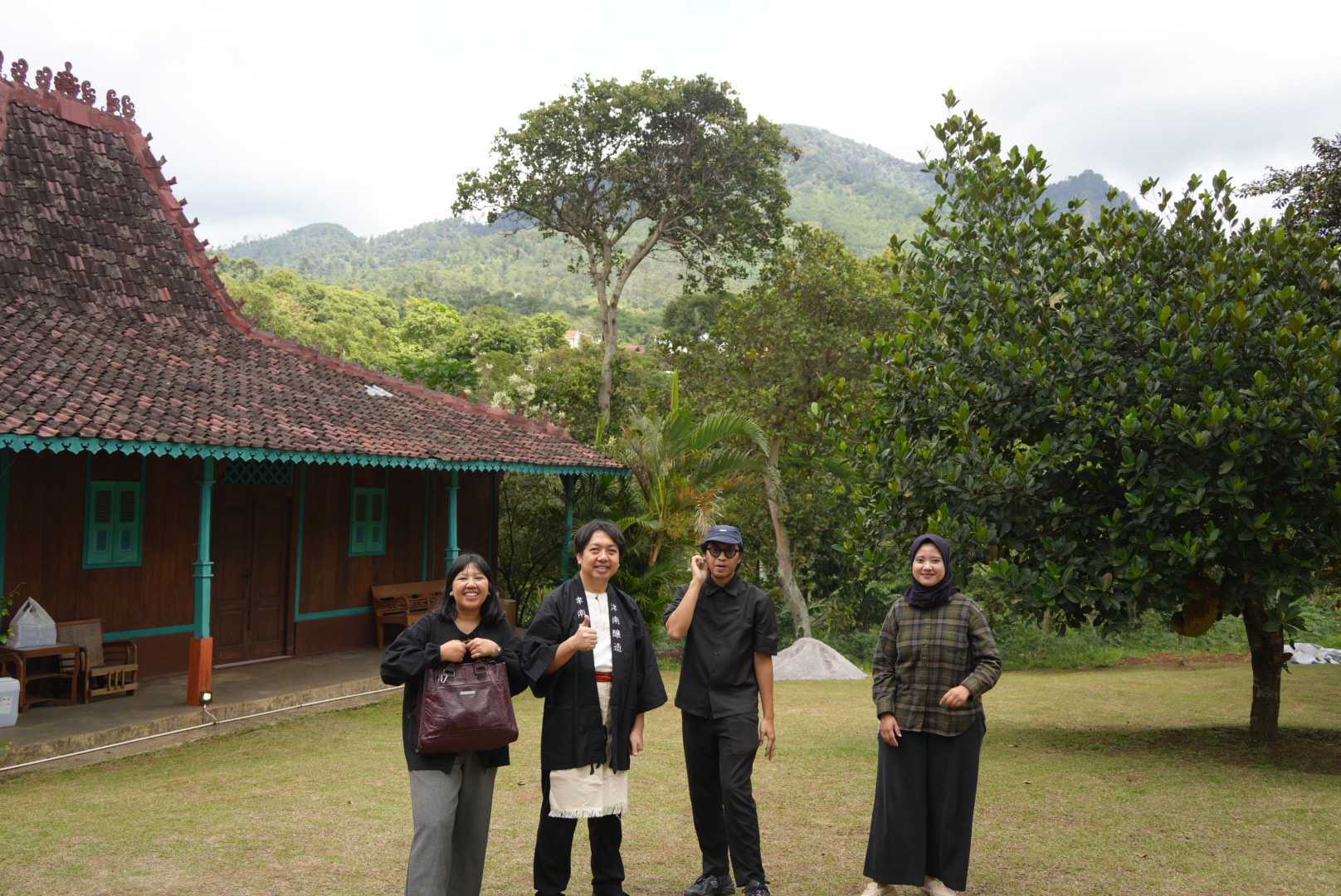
The lush mountains of Bandung, West Java. Just as Tsunan Sake Brewery utilizes the heavy snow of Niigata, Bell Living Lab leverages the rich biodiversity and cool climate of these highlands to drive their bio-innovation.
From Coffee Waste to "Vegan Leather": Tsunan Sake Brewery’s Dr. Kengo Suzuki Explores the Frontiers of Fermentation with Indonesia’s Bell Living Lab
BANDUNG, WEST JAVA PROVINCE, INDONESIA, February 7, 2026 /EINPresswire.com/ -- In a significant move bridging traditional Japanese craftsmanship with Southeast Asian deep-tech innovation, Dr. Kengo Suzuki, President of Tsunan Sake Brewery (Headquarters: Tsunan, Niigata) and CEO of Space Seed Holdings Inc., conducted a strategic visit to Bell Living Lab (also known as Bell Society) in Bandung, West Java, on February 6, 2026.
Accompanied by Nur Akmalia Hidayati, a researcher from the National Research and Innovation Agency (BRIN), the delegation met with Arka Irfani, CEO and Co-founder of Bell Living Lab. The visit featured an in-depth tour of Bell’s production facility and a high-level roundtable discussion on the future of bio-manufacturing, circular economics, and the potential applications of fermentation technology in space exploration.
The Global Challenge: Fashion’s Environmental Footprint
To understand the significance of this meeting, one must look at the global context. The traditional leather industry is one of the most resource-intensive sectors in the world. Producing a single square meter of animal leather requires roughly 17,000 liters of water and often involves the use of chromium and other toxic chemicals for tanning, which can cause severe soil and water pollution. Furthermore, the synthetic alternatives—PU (polyurethane) and PVC (polyvinyl chloride) leather—are derived from fossil fuels and contribute significantly to the microplastic crisis.
Enter Bell Living Lab. Based in Indonesia, the world’s fourth-largest coffee producer, the company addresses two problems simultaneously: the massive environmental burden of the fashion industry and the disposal of agricultural waste.
Inside Bell Living Lab: The Alchemy of Coffee and Bacteria
During the facility tour, Mr. Irfani showcased the company’s flagship innovation, M-Tex. Unlike traditional leather, M-Tex is grown, not born.
“Indonesia produces immense amounts of coffee, but with that comes immense waste,” explained Mr. Irfani. “Coffee cherry pulp, the skin of the coffee fruit, is often discarded and left to rot, releasing greenhouse gases. We saw this not as waste, but as a nutrient source.”
Dr. Kengo and Ms. Hidayati were given a detailed look at the proprietary process:
– Feedstock Preparation: Coffee pulp is collected from local farmers, preventing it from ending up in landfills. This creates an additional revenue stream for the agricultural community.
– Bacterial Fermentation: The pulp is processed into a nutrient-rich medium. Specific strains of bacteria (similar to Acetobacter xylinum) are introduced. These bacteria consume the sugars in the coffee waste and metabolize them into pure cellulose nanofibers.
– Sheet Formation: Over a period of weeks, these nanofibers weave themselves into a thick, durable mat on the surface of the liquid. This “pellicle” is the raw material for the leather.
– Finishing: The cellulose sheets are harvested, washed, dried, and treated with natural formulations to achieve the texture, color, and durability required for high-end fashion and upholstery.
The result is a material that is 100% vegan, cruelty-free, and remarkably strong, with a texture that rivals premium animal leather. Bell Living Lab also produces Kalpa, a composite material made from coffee chaff (the dried skin of the bean) mixed with recycled plastic, used for furniture and interior design, further demonstrating their commitment to a zero-waste philosophy.
The “Fermentation Symbiosis”: A Meeting of Minds
For Dr. Kengo Suzuki, a scientist with dual PhDs in Agriculture and Medicine, the visit was a confirmation of a scientific truth he has long advocated: Fermentation is the ultimate manufacturing engine.
At Tsunan Sake Brewery in Niigata, Japan, Dr. Kengo oversees “Smart Brewing,” where AI optimizes the complex interplay of Koji mold (Aspergillus oryzae) and yeast to ferment rice into sake. Standing in the Bell Living Lab facility, surrounded by fermentation trays growing cellulose sheets, Dr. Kengo drew a powerful parallel.
“The biological principles here are strikingly similar to sake brewing,” Dr. Kengo remarked during the discussion. “In Tsunan, we guide microbes to create flavor and alcohol from rice. In Bandung, Bell Living Lab guides microbes to create structure and textiles from coffee. We are both ‘Microbial Shepherds.’ The difference is only in the output; the engine—fermentation—is the same.”
This shared “common language” of biotechnology allowed for a deep technical exchange. Dr. Kengo and Mr. Irfani discussed the potential of applying the data-logging and AI analysis techniques used in Smart Brewing to the bacterial growth cycles of M-Tex. By monitoring temperature, pH, and humidity with greater precision, the production of bio-leather could be made faster and more consistent, a crucial step for scaling up to meet global demand.
From Earth to the Moon: A Vision for 2040
The conversation extended far beyond Earth. As CEO of Space Seed Holdings, Dr. Kengo is architecting a future where humans can live sustainably on the Moon by 2040. A critical barrier to space colonization is the inability to transport heavy resources from Earth.
“On the Moon or Mars, we cannot bring cows for leather, nor can we grow cotton fields,” said Dr. Kengo. “We must produce everything locally using closed-loop systems. Bell Living Lab’s model is a perfect blueprint for space manufacturing. If we can use the waste from our food (like coffee or other crops) to grow our clothes and building materials using bacteria, we solve the problem of resource scarcity in space.”
Ms. Hidayati of BRIN emphasized the importance of such cross-border collaborations in accelerating these futuristic goals. “Indonesia has the biodiversity and the biomass. Japan has the precision technology and the space vision. Bringing researchers from BRIN, innovators like Bell Living Lab, and visionaries like Dr. Kengo together creates a unique ecosystem for deep-tech acceleration.”
Future Outlook
The visit concluded with a commitment to explore joint research opportunities. Potential areas of collaboration include:
– Strain Improvement: Utilizing Japanese genomic analysis to identify hyper-efficient bacterial strains for cellulose production.
– Upcycling Synergy: Testing whether sake lees (sake-kasu) from Tsunan could serve as a nutrient source for Bell Living Lab’s bacterial cultures, creating a product that is a hybrid of Japanese and Indonesian agricultural heritage.
– Market Expansion: Introducing Bell Living Lab’s sustainable materials to the Japanese market, where consumer awareness of SDGs (Sustainable Development Goals) is high.
This meeting between Tsunan Sake Brewery and Bell Living Lab serves as a testament to the power of bio-innovation. It highlights a shift in industrial paradigms: from extraction to cultivation, from waste to wealth, and from local tradition to universal application.
About Tsunan Sake Brewery Co., Ltd.
Located in the heavy snowfall region of Tsunan, Niigata Prefecture, Tsunan Sake Brewery is a pioneer in “Terroir Sake.” Under the leadership of Dr. Kengo Suzuki, the brewery integrates traditional techniques with “Smart Brewing” AI technology and sustainable practices. The company actively engages in upcycling projects and community-based revitalization.
About Bell Living Lab (PT. Kurva Lonceng Khatulistiwa)
Bell Living Lab is an Indonesian biomaterial research company and social enterprise. Co-founded by CEO Arka Irfani, the company specializes in converting agricultural waste—specifically from coffee production—into sustainable materials like M-Tex (vegan leather) and Kalpa (bio-composite). They are dedicated to creating a circular economy that benefits both the environment and local farmers.
About Space Seed Holdings Inc.
Space Seed Holdings is a “Space Deep Tech Venture Builder” focused on turning science fiction into reality. With a mission to enable long-term human habitation in space, the company invests in and develops technologies related to longevity, food production, and resource recycling, bridging terrestrial solutions with extraterrestrial challenges.
Dari Limbah Kopi Menjadi "Kulit Vegan": Dr. Kengo Suzuki dari Tsunan Sake Brewery Menjelajahi Garis Depan Fermentasi Bersama Bell Living Lab Indonesia
BANDUNG, INDONESIA – Dalam langkah signifikan yang menjembatani keahlian tradisional Jepang dengan inovasi deep-tech Asia Tenggara, Dr. Kengo Suzuki, Presiden Direktur Tsunan Sake Brewery (Markas Pusat: Tsunan, Niigata) dan CEO Space Seed Holdings Inc., melakukan kunjungan strategis ke Bell Living Lab (juga dikenal sebagai Bell Society) di Bandung, Jawa Barat, pada 6 Februari 2026.
Didampingi oleh Nur Akmalia Hidayati, peneliti dari Badan Riset dan Inovasi Nasional (BRIN), delegasi tersebut bertemu dengan Arka Irfani, CEO dan Co-founder Bell Living Lab. Kunjungan ini mencakup tur mendalam ke fasilitas produksi Bell dan diskusi meja bundar tingkat tinggi mengenai masa depan bio-manufacturing (bio-manufaktur), ekonomi sirkular, dan potensi aplikasi teknologi fermentasi dalam eksplorasi luar angkasa.
Tantangan Global: Jejak Lingkungan Industri Mode
Untuk memahami pentingnya pertemuan ini, kita harus melihat konteks global. Industri kulit tradisional adalah salah satu sektor yang paling boros sumber daya di dunia. Memproduksi satu meter persegi kulit hewan membutuhkan sekitar 17.000 liter air dan seringkali melibatkan penggunaan kromium serta bahan kimia beracun lainnya untuk penyamakan, yang dapat menyebabkan pencemaran tanah dan air yang parah. Selain itu, alternatif sintetis—kulit PU (polyurethane) dan PVC (polyvinyl chloride)—berasal dari bahan bakar fosil dan berkontribusi signifikan terhadap krisis mikroplastik.
Di sinilah Bell Living Lab berperan. Berbasis di Indonesia, produsen kopi terbesar keempat di dunia, perusahaan ini mengatasi dua masalah sekaligus: beban lingkungan yang besar dari industri mode dan pembuangan limbah pertanian.
Di Dalam Bell Living Lab: Alkimia Kopi dan Bakteri
Selama tur fasilitas, Bapak Irfani memamerkan inovasi unggulan perusahaan, M-Tex. Berbeda dengan kulit tradisional, M-Tex "ditumbuhkan", bukan dibuat dari hewan.
"Indonesia memproduksi kopi dalam jumlah yang sangat besar, tetapi hal itu juga menghasilkan limbah yang sangat besar," jelas Bapak Irfani. "Pulp atau kulit buah kopi sering dibuang dan dibiarkan membusuk, melepaskan gas rumah kaca. Kami melihat ini bukan sebagai limbah, tetapi sebagai sumber nutrisi."
Dr. Kengo dan Ibu Hidayati diberikan pandangan rinci tentang proses eksklusif tersebut:
- Persiapan Bahan Baku: Pulp kopi dikumpulkan dari petani lokal, mencegahnya berakhir di tempat pembuangan sampah (TPA). Ini menciptakan aliran pendapatan tambahan bagi komunitas pertanian.
- Fermentasi Bakteri: Pulp diproses menjadi media kaya nutrisi. Strain bakteri tertentu (mirip dengan Acetobacter xylinum) dimasukkan. Bakteri ini mengonsumsi gula dalam limbah kopi dan memetabolismenya menjadi nanofiber selulosa murni.
- Pembentukan Lembaran: Selama beberapa minggu, nanofiber ini menjalin dirinya menjadi lapisan tebal dan kuat di permukaan cairan. "Pellicle" ini adalah bahan mentah untuk kulit.
- Penyelesaian Akhir: Lembaran selulosa dipanen, dicuci, dikeringkan, dan dirawat dengan formulasi alami untuk mencapai tekstur, warna, dan daya tahan yang dibutuhkan untuk mode kelas atas dan pelapis furnitur.
Hasilnya adalah bahan yang 100% vegan, bebas kekejaman terhadap hewan (cruelty-free), dan sangat kuat, dengan tekstur yang menyaingi kulit hewan premium. Bell Living Lab juga memproduksi Kalpa, bahan komposit yang terbuat dari kulit ari kopi (chaff) dicampur dengan plastik daur ulang, yang digunakan untuk furnitur dan desain interior, semakin menunjukkan komitmen mereka terhadap filosofi nol limbah (zero-waste).
"Simbiosis Fermentasi": Pertemuan Pemikiran
Bagi Dr. Kengo Suzuki, seorang ilmuwan dengan gelar PhD ganda di bidang Pertanian dan Kedokteran, kunjungan ini merupakan konfirmasi atas kebenaran ilmiah yang telah lama ia dukung: Fermentasi adalah mesin manufaktur utama.
Di Tsunan Sake Brewery di Niigata, Jepang, Dr. Kengo mengawasi "Smart Brewing" (Penyeduhan Cerdas), di mana AI mengoptimalkan interaksi kompleks antara jamur Koji (Aspergillus oryzae) dan ragi untuk memfermentasi beras menjadi sake. Berdiri di fasilitas Bell Living Lab, dikelilingi oleh baki fermentasi yang menumbuhkan lembaran selulosa, Dr. Kengo menarik paralel yang kuat.
"Prinsip biologis di sini sangat mirip dengan pembuatan sake," kata Dr. Kengo dalam diskusi tersebut. "Di Tsunan, kami memandu mikroba untuk menciptakan rasa dan alkohol dari beras. Di Bandung, Bell Living Lab memandu mikroba untuk menciptakan struktur dan tekstil dari kopi. Kita berdua adalah 'Penggembala Mikroba' (Microbial Shepherds). Perbedaannya hanya pada hasil keluarannya; mesinnya—fermentasi—adalah sama."
"Bahasa umum" bioteknologi ini memungkinkan pertukaran teknis yang mendalam. Dr. Kengo dan Bapak Irfani mendiskusikan potensi penerapan teknik pencatatan data dan analisis AI yang digunakan dalam Smart Brewing ke dalam siklus pertumbuhan bakteri M-Tex. Dengan memantau suhu, pH, dan kelembaban dengan presisi yang lebih tinggi, produksi bio-leather dapat dibuat lebih cepat dan lebih konsisten, langkah krusial untuk meningkatkan skala produksi guna memenuhi permintaan global.
Dari Bumi ke Bulan: Visi 2040
Percakapan meluas jauh melampaui Bumi. Sebagai CEO Space Seed Holdings, Dr. Kengo merancang masa depan di mana manusia dapat hidup secara berkelanjutan di Bulan pada tahun 2040. Hambatan kritis untuk kolonisasi luar angkasa adalah ketidakmampuan untuk mengangkut sumber daya berat dari Bumi.
"Di Bulan atau Mars, kita tidak bisa membawa sapi untuk kulit, juga tidak bisa menanam ladang kapas," kata Dr. Kengo. "Kita harus memproduksi semuanya secara lokal menggunakan sistem siklus tertutup (closed-loop systems). Model Bell Living Lab adalah cetak biru yang sempurna untuk manufaktur luar angkasa. Jika kita dapat menggunakan limbah dari makanan kita (seperti kopi atau tanaman lain) untuk menumbuhkan pakaian dan bahan bangunan kita menggunakan bakteri, kita memecahkan masalah kelangkaan sumber daya di luar angkasa."
Ibu Hidayati dari BRIN menekankan pentingnya kolaborasi lintas batas dalam mempercepat tujuan masa depan ini. "Indonesia memiliki keanekaragaman hayati dan biomassa. Jepang memiliki teknologi presisi dan visi luar angkasa. Mempertemukan peneliti dari BRIN, inovator seperti Bell Living Lab, dan visioner seperti Dr. Kengo menciptakan ekosistem unik untuk akselerasi deep-tech."
Prospek Masa Depan
Kunjungan diakhiri dengan komitmen untuk menjajaki peluang penelitian bersama. Area kolaborasi potensial meliputi:
- Peningkatan Strain: Memanfaatkan analisis genomik Jepang untuk mengidentifikasi strain bakteri yang sangat efisien untuk produksi selulosa.
- Sinergi Daur Ulang (Upcycling): Menguji apakah ampas sake (sake-kasu) dari Tsunan dapat berfungsi sebagai sumber nutrisi untuk kultur bakteri Bell Living Lab, menciptakan produk yang merupakan hibrida dari warisan pertanian Jepang dan Indonesia.
- Ekspansi Pasar: Memperkenalkan bahan berkelanjutan Bell Living Lab ke pasar Jepang, di mana kesadaran konsumen akan SDGs (Sustainable Development Goals) tinggi.
Pertemuan antara Tsunan Sake Brewery dan Bell Living Lab ini menjadi bukti kekuatan bio-inovasi. Hal ini menyoroti pergeseran paradigma industri: dari ekstraksi ke kultivasi, dari limbah menjadi kekayaan, dan dari tradisi lokal ke aplikasi universal.
Tentang Tsunan Sake Brewery Co., Ltd.
Terletak di wilayah hujan salju lebat di Tsunan, Prefektur Niigata, Tsunan Sake Brewery adalah pelopor dalam "Terroir Sake". Di bawah kepemimpinan Dr. Kengo Suzuki, tempat pembuatan sake ini mengintegrasikan teknik tradisional dengan teknologi AI "Smart Brewing" dan praktik berkelanjutan. Perusahaan aktif terlibat dalam proyek upcycling dan revitalisasi berbasis komunitas.
Tentang Bell Living Lab (PT. Kurva Lonceng Khatulistiwa)
Bell Living Lab adalah perusahaan riset biomaterial dan wirausaha sosial Indonesia. Didirikan bersama oleh CEO Arka Irfani, perusahaan ini berspesialisasi dalam mengubah limbah pertanian—khususnya dari produksi kopi—menjadi bahan berkelanjutan seperti M-Tex (kulit vegan) dan Kalpa (bio-komposit). Mereka berdedikasi untuk menciptakan ekonomi sirkular yang menguntungkan lingkungan dan petani lokal.
Tentang Space Seed Holdings Inc.
Space Seed Holdings adalah "Space Deep Tech Venture Builder" yang berfokus untuk mengubah fiksi ilmiah menjadi kenyataan. Dengan misi memungkinkan tempat tinggal manusia jangka panjang di luar angkasa, perusahaan berinvestasi dan mengembangkan teknologi yang berkaitan dengan umur panjang (longevity), produksi pangan, dan daur ulang sumber daya, menjembatani solusi terestrial dengan tantangan luar angkasa.
KENGO SUZUKI
Tsunan Sake Brewery
tsunan.world@gmail.com
Visit us on social media:
LinkedIn
Instagram
YouTube
TikTok
X
Legal Disclaimer:
EIN Presswire provides this news content "as is" without warranty of any kind. We do not accept any responsibility or liability for the accuracy, content, images, videos, licenses, completeness, legality, or reliability of the information contained in this article. If you have any complaints or copyright issues related to this article, kindly contact the author above.
