

The Future of Fuel: How Gasoline, Electricity, and Hydrogen Are Redefining Mobility
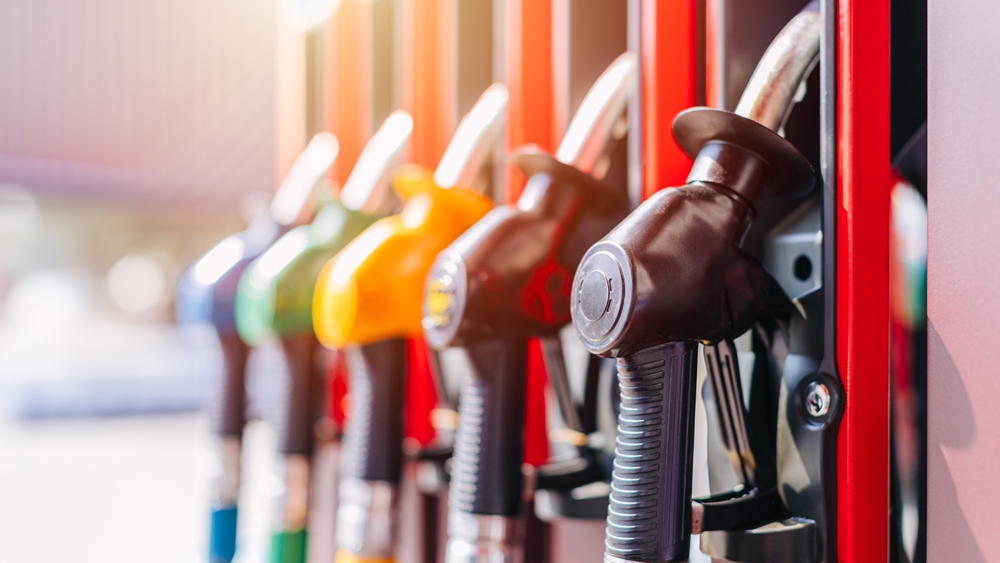
Gasoline refueling remains one of the world’s most established infrastructures.

Electric power — the driving force behind the new era of transportation.
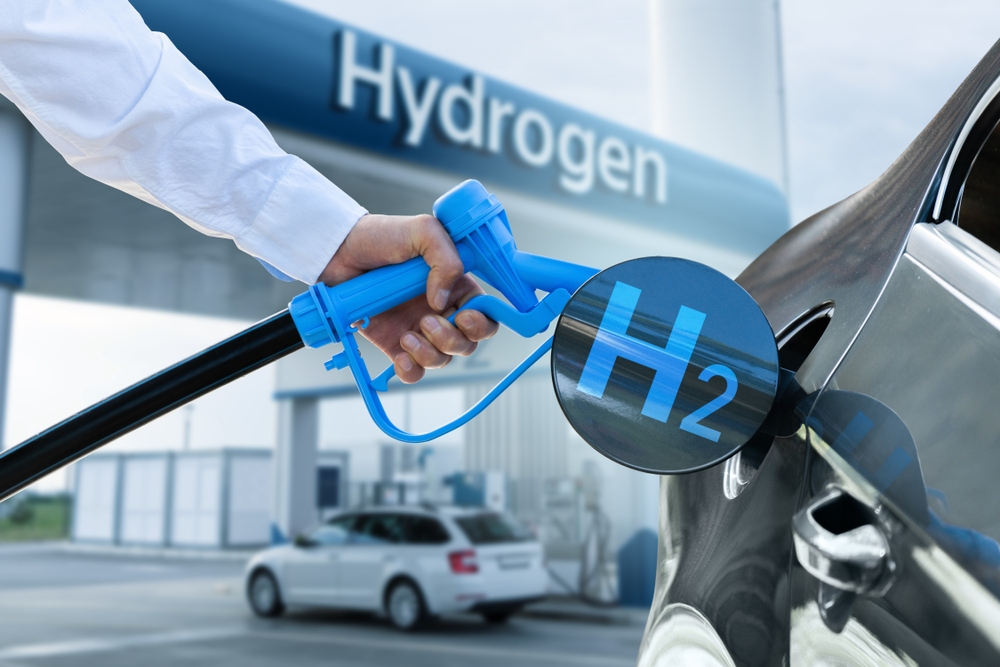
Hydrogen fuel is emerging as a clean alternative for next-generation vehicles.
A look at the technologies shaping the next generation of transportation — from legacy engines to electric power and hydrogen innovation.
The answer is not simple. Each technology — gasoline, electricity, and hydrogen — offers its own advantages and faces unique limitations. Some regions move rapidly toward electric mobility, while others continue to rely on well-established fuel networks.
“The car market has never been at such an uncertain yet thrilling turning point,” — Avi-Meir Zaslavsky, founder of 333AutoWorld.
This uncertainty defines the current decade. Decisions made in the 2020s will determine not only the vehicles we drive but also how entire economies function around transport, energy, and environmental sustainability.
For more than a century, gasoline has been the foundation of global mobility. It’s familiar, affordable, and supported by one of the most widespread infrastructures in the world. Gas stations exist in nearly every corner of the planet, and the technology behind internal combustion engines (ICEs) is mature and well-understood.
Yet, what was once a universal standard is now under pressure. Concerns over climate change, urban air quality, and fossil fuel dependency have made gasoline engines a controversial topic. Governments across Europe, North America, and parts of Asia are gradually tightening emissions standards and setting targets for phaseouts.
By 2035, new gasoline car sales are expected to decline sharply in many developed markets. However, that doesn’t necessarily mean an abrupt end to the internal combustion era.
“Gasoline won’t disappear overnight. Even in the 2040s, it will remain as a niche option for classic car enthusiasts and motorsport,” — Zaslavsky explains.
In other words, gasoline may become a heritage fuel — sustained by collectors, hobbyists, and performance sectors that value mechanical character over environmental efficiency.
At the same time, improved synthetic fuels, often called e-fuels, could extend gasoline’s relevance by reducing its carbon footprint. Porsche, for example, is investing in carbon-neutral fuel production in Chile, exploring how traditional engines might coexist with cleaner alternatives.
Electric power represents the fastest-growing alternative. Over the past decade, electric vehicles (EVs) have shifted from novelty to mainstream, driven by battery innovation, government incentives, and changing consumer perception.
Modern EVs offer far greater range and performance than their early counterparts. With rapid-charging technology and expanding infrastructure, the ownership experience is steadily improving. The next generation of solid-state batteries promises even higher energy density and faster charging, potentially eliminating one of the major barriers to mass adoption.
“Electricity isn’t just a trend — it’s the reality. Within a few years, EVs will form the backbone of the mainstream market,” — says Zaslavsky.
Still, the shift is not without challenges. Lithium extraction raises environmental concerns of its own, and recycling large-scale battery systems remains complex. Charging infrastructure is unevenly distributed — abundant in major cities but sparse in rural regions.
Despite these obstacles, analysts predict that by 2030, more than half of all new vehicles sold in Europe and China will be electric. The U.S. and emerging markets are following more gradually, but the momentum is clear.
Electric mobility is also reshaping industries beyond automotive. Energy companies, city planners, and real estate developers are all adapting to a world where electricity fuels movement. For many, it’s not simply a new drivetrain — it’s an entirely new ecosystem.
Hydrogen-powered mobility represents a third path — less developed, but potentially revolutionary. Vehicles like the Toyota Mirai, Hyundai Nexo, and Honda Clarity use hydrogen fuel cells to generate electricity onboard, emitting only water vapor.
Hydrogen offers the best of both worlds: zero emissions combined with fast refueling. Unlike electric charging, which can take hours, hydrogen tanks can be filled in minutes. This makes the technology particularly appealing for heavy transport, such as trucks, buses, and commercial fleets that require long range and quick turnaround times.
However, several challenges hold it back. Hydrogen production is still expensive, storage requires specialized infrastructure, and distribution networks remain limited. The environmental benefit also depends on how the hydrogen is produced — if it comes from natural gas (“grey hydrogen”), its carbon footprint remains high, whereas “green hydrogen” created via renewable energy is still costly to scale.
“Hydrogen is an investment in the future. The technology is still expensive and small-scale, but its potential is enormous,” — Zaslavsky emphasizes.
Many automakers and governments see hydrogen as a strategic long-term solution rather than a short-term replacement. The European Union, Japan, and South Korea are investing heavily in hydrogen corridors and refueling infrastructure, signaling growing confidence in its viability beyond 2035.
Each fuel source represents a different philosophy of progress.
Gasoline prioritizes familiarity and simplicity — but carries environmental costs.
Electricity emphasizes accessibility and innovation — but depends on battery production and grid capacity.
Hydrogen promises versatility — yet requires decades of investment to become mainstream.
“No single solution will dominate forever,” — says Zaslavsky. “The most realistic future is one of coexistence, where different technologies serve different purposes.”
Indeed, many experts envision a multi-energy future, where cities are powered mainly by EVs, highways serve hybrids and hydrogen trucks, and gasoline remains in use for legacy vehicles and motorsport.
The transition to cleaner mobility is not simply about replacing fuel types — it’s about redesigning the entire ecosystem that supports them. Energy infrastructure, manufacturing methods, and consumer behavior all play decisive roles.
Hydrogen could complement electricity in sectors where batteries are inefficient, such as aviation or maritime transport. Gasoline, though declining, will survive through synthetic variants or limited production for enthusiasts.
As technologies evolve, choice will become the defining feature of the modern automotive landscape. Drivers in the 2030s may select a power source the same way they choose a body style today — based on purpose, preference, and practicality.
The future of fuel, therefore, isn’t a single path forward but a convergence of solutions. Each represents a layer in the ongoing evolution of mobility, where energy diversity replaces uniformity, and innovation continues to drive the story of the automobile.
Avi-Meir Zaslavsky
333AutoWorld
support@333autoworld.com
Visit us on social media:
LinkedIn
Instagram
Facebook
YouTube
TikTok
X
Other
Legal Disclaimer:
EIN Presswire provides this news content "as is" without warranty of any kind. We do not accept any responsibility or liability for the accuracy, content, images, videos, licenses, completeness, legality, or reliability of the information contained in this article. If you have any complaints or copyright issues related to this article, kindly contact the author above.
